Local Law 11 / FISP
Local Law 11 & FISP systems
Inspection support, the access, the repair itself and the violations cleared afterwards, carried by the crews who did the work.
Local Law 11 / FISP
Inspection support, the access, the repair itself and the violations cleared afterwards, carried by the crews who did the work.
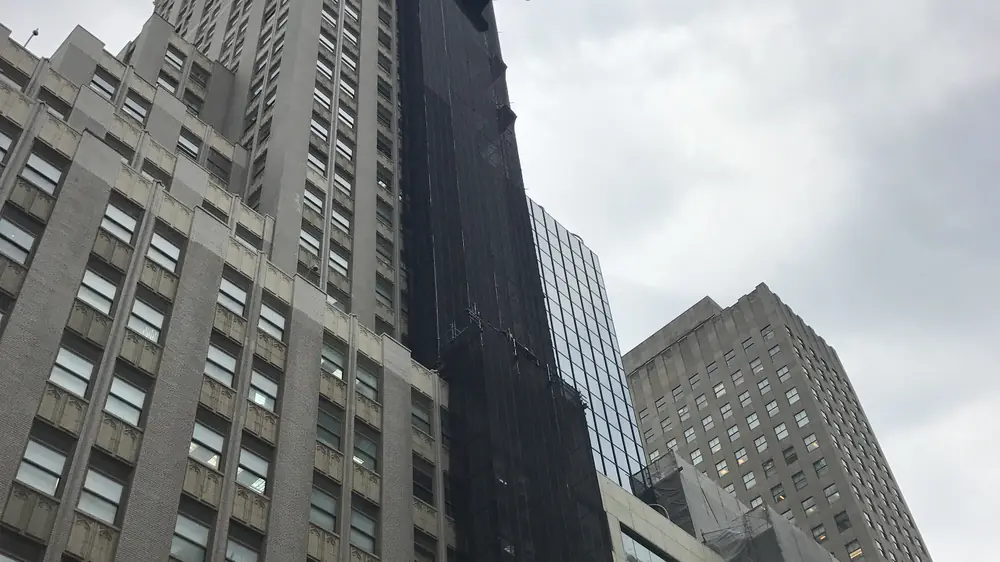
Local Law 11 puts every building over six storeys on a five year facade inspection cycle. An unsafe condition starts a clock, and a SWARMP condition has to be corrected before the next cycle comes round. We work the whole sequence: giving the engineer the access and the probes needed to make the survey, erecting our own scaffold and bridging, carrying out the masonry, stone, lintel and sealant work the report calls for, and clearing the violation the filing generated. Because the access and the repair are the same company, the scaffold goes up when the work is ready and comes down when the condition is corrected.
Every item is performed by our own crews.
Access, probes and openings provided so the inspecting engineer can make a close up examination and record the elevation properly, with the protection needed to work over an occupied street.
The FISP cycle carried end to end: supporting the inspection, correcting what the report identifies, and closing out the filing so the building re enters the cycle compliant rather than carrying an open condition.
The corrective work a facade report calls for, from isolated unsafe conditions through to a full elevation. SWARMP conditions are programmed to be corrected before the next cycle rather than left to be re filed.
The access that makes facade work possible, engineered for the elevation and the loads and erected by our own crews, so it goes up when the repair is ready and comes down when the condition is corrected.
Outrigger and hanging scaffold operations for elevations where the work must be reached from above, rigged, counterweighted and tied in accordance with the engineered layout.
Suspended scaffold operations for high rise elevations, giving crews controlled vertical access over an occupied street with material and debris handled on the same rig.
Sidewalk bridges designed and erected to protect the public walking underneath the work, with lighting, parapet protection and a walkway width that keeps the pavement usable for the whole programme.
Cracked, spalled and displaced brick cut out, toothed in and rebuilt. Replacement brick is matched for size, colour, texture and bond so the repair reads as part of the wall rather than a patch on it.
Deteriorated joints cut out to sound mortar and repointed with a mix matched to what is already in the wall. Mortar softer than the brick is what protects the brick; harder mortar makes the masonry take the movement instead.
Block, stone and brick work across the elevation, including rebuilding, repointing, anchorage and the through wall flashing that decides whether a repair lasts five years or twenty.
Corroded lintels and shelf angles cut out and replaced. Rusting steel expands and pushes the masonry above it out of line, so the wall is rebuilt around new steel rather than patched over the cause.
Cut stone, sills, copings and banding repaired, pinned or replaced, with replacement stone matched to the face beside it and set with the correct anchorage and joint treatment.
Membranes, sealants and flashing at decks, walls, foundations and below grade space. The detailing at terminations and transitions is where the work is; the field of a membrane rarely fails on its own.
Roof repair taken together with the parapet, coping and the wall below rather than stopping at the roof edge, because that transition is where facade water usually starts.
Perimeter and control joint sealants across the elevation, at windows, copings, reglets and material changes, sized and backed for the movement each joint actually sees.
Bulged, cracked and displaced sections of wall taken down and rebuilt, with the anchorage and through wall flashing reinstated the way the assembly needs them.
Whole elevations brought back rather than patched: masonry, stone, steel, sealants and coatings addressed as one programme so the building reads as finished from the street.
The envelope treated as a single system, roof to grade. Water rarely enters where it appears inside, so the roof, parapet, wall and openings are worked together and the transitions between them detailed.
The full FISP cycle: QEWI inspection and report filing, the facade and parapet repair scope, the permits, the repair itself signed off, the violation dismissed and the sidewalk shed taken down.
Department of Buildings violations, from facade and structural conditions through to work without permit. Corrected at the building, then carried through the paperwork to dismissal.
Department of Transportation violations in the public right of way, repaired to DOT specification and signed off rather than simply patched over.
Defective flags, trip hazards and cracked bays replaced to the standard the inspector measures against, and the violation cleared afterwards.
The length of one FISP cycle. Filing windows are staggered by sub cycle, so the deadline is specific to the building.
The height at which a building enters the cycle and has to be inspected by a qualified exterior wall inspector.
Safe with a repair and maintenance programme. It is a deadline rather than a pass: the condition must be corrected before the next cycle.
Protect the public immediately, then correct. This is the classification that starts a clock and usually a violation.
Every building over six storeys is on a five year FISP cycle, filed in a staggered sub cycle by block number. The filing window is what sets the programme, so the work is planned backwards from it rather than started when the report lands.
A qualified exterior wall inspector has to examine the elevation close up, which means scaffold, a drop or a lift, and physical probe openings through the wall. We put that access up and make the openings good afterwards.
Every condition comes back Safe, SWARMP or Unsafe. Unsafe starts an immediate obligation to protect the public and correct the condition. SWARMP has to be corrected before the next cycle, which is a deadline that is easy to lose.
Where a condition is unsafe, a sidewalk bridge or containment goes up before anything else, because the public is walking underneath the elevation from that moment on.
Brick, stone, lintels, sealants, copings and the anchorage behind them, done by our own masonry crews so the match is decided at the wall rather than at an order desk.
The corrected condition is re inspected, the amended report is filed, and any violation raised against the building is carried through to dismissal. The job is not finished while the record still shows an open condition.
A facade filing frequently generates a violation against the building, and correcting the wall does not clear it on its own. We remove DOB, DOT and sidewalk violations as part of the same job: the physical correction, the permit, the re inspection and the paperwork through to dismissal. We work under New York City Department of Buildings permit and inspection requirements, and we are a DOT approved contractor for work in the public right of way.
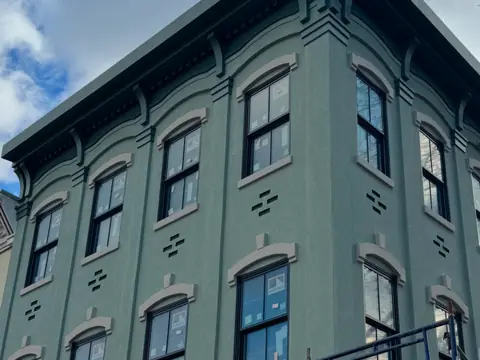
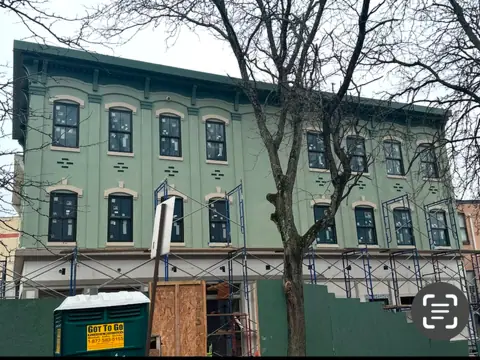
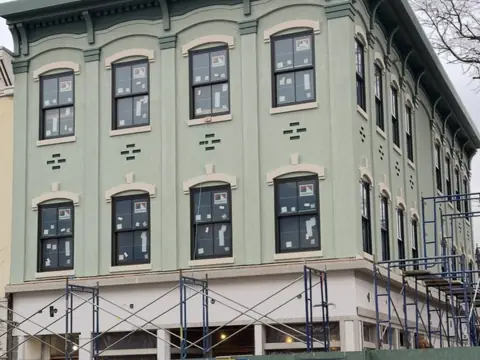
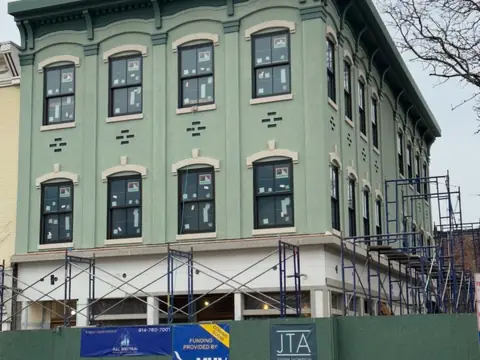
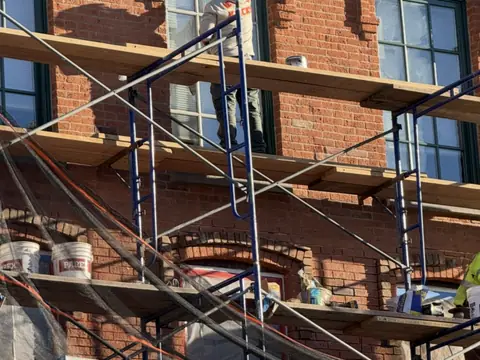
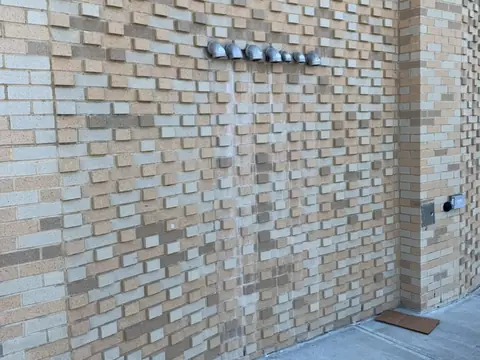
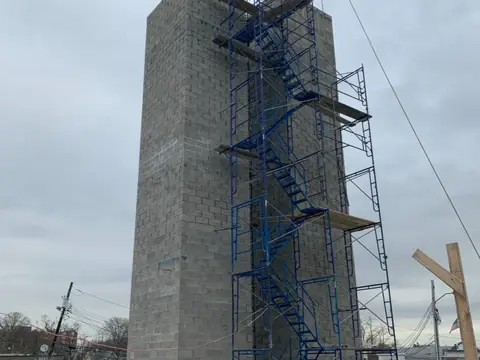
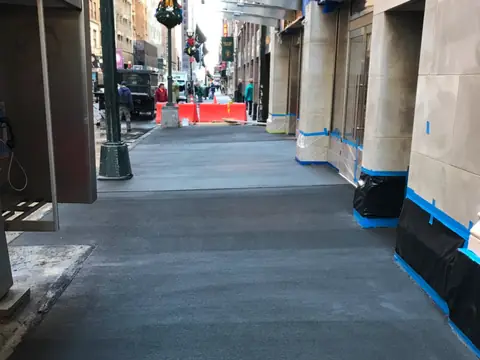
Photography from the company's own projects.
Yes. This category is carried out by our own crews rather than subcontracted, which is why we can commit to a schedule and to emergency response.
New York City across all five boroughs, plus Rockland and Westchester counties and the wider New York metropolitan area.
Yes. Permits, expediting and violation removal run alongside the field work on the same job, so the correction and the paperwork close out together.
Restoration work rarely stops at one system. These are the ones that most often run alongside it.
Send the report, the violation or a photograph and you will get a straight answer.